


What is fine tube? Fine tubes vs fin tubes
Fine Tubes and Fine tubes vs fin tubes
What is a Fine Tube?
Fine Tubes is a specialized manufacturer based in the United Kingdom that designs and produces tubes from advanced materials like stainless steel, nickel, zirconium, and titanium alloys. Located in Plymouth, Devon, the company serves high-demand industries such as aerospace, nuclear energy, oil and gas, chemical processing, and medical technology. But what exactly makes these tubes "fine"? They are engineered for precision, durability, and performance in extreme conditions, such as high temperatures and pressures.
How are fine tubes used? They are integral in applications requiring exact temperature control, like heat exchangers in power plants, or in medical implants where biocompatibility is critical. Which industries rely on them? Sectors like aerospace use fine tubes for hydraulic systems, while the medical field uses them for devices like catheters and bone nails.
History of Fine Tubes
The company Fine Tubes Ltd. has a long history of innovation since its founding in 1943. Here are key milestones:
- 1943: Established in Surbiton, UK.
- 1957: Began supplying stainless steel tubing to Vickers Viscount Aircraft.
- 1965: Developed AM350 tubes for the Concorde programme.
- 1977: Created nuclear fuel cladding for Advanced Gas Reactors.
- 2000: Developed profiled implant tubing for medical applications.
- 2008: Supplied 130 km of cooling tubes to CERN for the Large Hadron Collider.
- 2015: Acquired by AMETEK Inc.
- 2021: Introduced Super Duplex tubing for corrosive oil and gas applications.
Fine Tubes vs Fin Tubes
Many people confuse "fine tube" with "fin tube" due to similar pronunciation. However, they refer to different things. What is the main difference? Fine tubes are small-diameter precision tubes, while fin tubes are heat exchanger tubes with extended surfaces (fins) to enhance heat transfer. How does each work? Fine tubes focus on material integrity and precision for fluid conveyance, whereas fin tubes prioritize thermal efficiency by increasing surface area.
Which one should you choose? It depends on your application. For example, in HVAC systems, fin tubes are common, but in chemical processing, fine tubes might be preferred for corrosion resistance. To learn more about extruded fin tubes, visit Fine tubes vs fin tubes for detailed insights.
| Aspect | Fine Tubes | Fin Tubes |
|---|---|---|
| Primary Definition | Precision small-diameter tubes made from alloys like stainless steel or titanium, often used for structural or fluid conveyance. | Tubes with attached fins to increase surface area, primarily used in heat exchangers for efficient thermal transfer. |
| Typical Applications | Aerospace hydraulics, medical implants, nuclear reactors, chemical processing equipment. | HVAC systems, boilers, condensers, air coolers, and industrial heat recovery units. |
| Key Materials | Stainless steel, nickel alloys, titanium, zirconium – chosen for strength and corrosion resistance. | Copper, aluminum, or steel with fins often made of the same or compatible materials. |
| How They Enhance Performance | By offering high precision, durability, and resistance to extreme temperatures and pressures. | By maximizing heat transfer efficiency through finned surfaces, reducing energy consumption. |
| What to Consider When Selecting | Material compatibility, pressure ratings, and regulatory standards (e.g., for medical or aerospace use). | Fin type (e.g., extruded, welded), tube-fin bond integrity, and thermal conductivity requirements. |
How Fine Tubes Are Manufactured
What processes are involved in making fine tubes? Production includes steps like cold drawing, annealing, and precision cutting to achieve tight tolerances. How does this affect quality? These methods ensure the tubes meet strict specifications for industries like aerospace, where safety is paramount. Which materials are most common? Stainless steel and titanium alloys are popular due to their strength-to-weight ratio and corrosion resistance.
Applications of Fine Tubes
Where can you find fine tubes in use? They are critical in:
- Oil and Gas: Downhole logging tubes that withstand high pressures.
- Medical: Implant tubing for bones and surgical instruments.
- Aerospace: Hydraulic tubing in aircraft like the Airbus A380.
- Energy: Heat exchanger tubes in solar power plants like Gemasolar.
How do these applications benefit from fine tubes? They offer reliability in harsh environments, reducing downtime and maintenance costs.
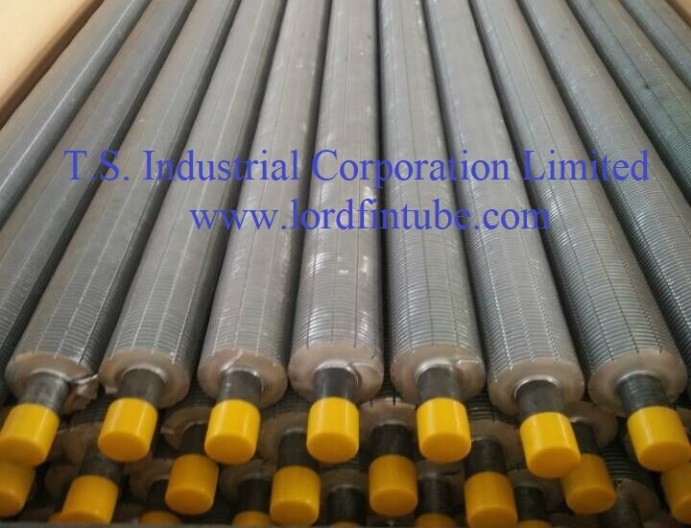
An example of fine tubes used in precision engineering.
Publisher: Lord Fin Tube