


Finned heating tubular for industry drying equipment
Finned Tubular Heating Tube for Industrial Drying Systems
Industrial drying operations require reliable, efficient heating solutions to maintain productivity and product quality. Finned tubular heating tubes have become a preferred choice for engineers and procurement specialists seeking to optimize drying processes across various industries.
These specialized heating elements transfer thermal energy effectively in industrial dryers, ovens, and kilns. The unique finned design significantly increases the surface area compared to standard heating tubes, which enhances heat transfer rates. This results in faster drying cycles and reduced energy consumption.
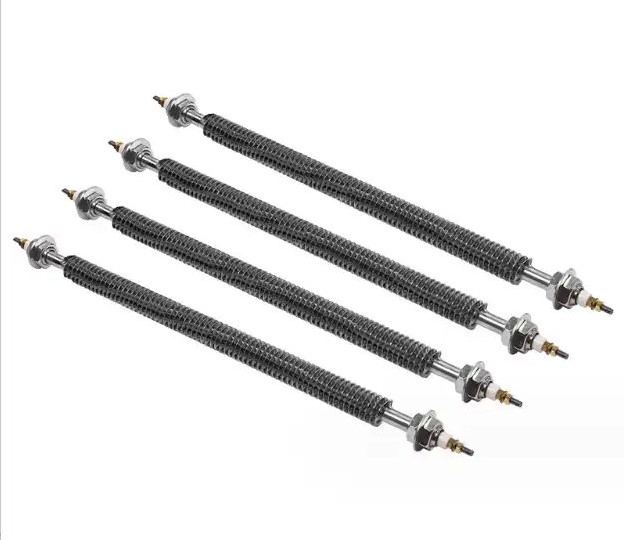
Finned tubular heating element installed in industrial drying equipment
Finned Tubular Heating Tube Design
The construction of finned tubular heating tubes involves several critical design elements. A base metal tube serves as the primary structure, with extended metal fins attached along its length. These fins are typically welded, extruded, or tension-wound to ensure optimal thermal contact and durability under operational stress.
- Enhanced surface area: Fins increase heat transfer surface by 200-800% compared to bare tubes
- Material compatibility: Tubes and fins can be matched to specific process requirements
- Custom configurations: Fin height, thickness, and spacing can be optimized for specific applications
- Robust construction: Designed to withstand thermal cycling and mechanical stress
Material Selection for Drying Applications
Material choice directly impacts performance, longevity, and compatibility with drying processes. Procurement teams must consider the material being dried, operating temperatures, and environmental conditions when specifying finned tubes.
| Material | Max Temperature | Key Advantages | Typical Applications |
|---|---|---|---|
| Stainless Steel 304/316 | 700°C / 1292°F | Corrosion resistance, food-safe, durable | Food processing, chemical drying, pharmaceuticals |
| Carbon Steel | 500°C / 932°F | Cost-effective, good thermal conductivity | Biomass drying, industrial ovens, bulk material drying |
| Aluminum | 250°C / 482°F | Excellent heat transfer, lightweight | Low-temperature drying, air heating systems |
| Copper & Alloys | 300°C / 572°F | Superior thermal conductivity, corrosion resistant | Precision drying applications, specialized processes |
Heating Methods Comparison
Different industrial drying applications require specific heating approaches. The choice between electric, steam, or thermal fluid heating depends on factors like temperature requirements, energy costs, and process control needs.
| Heating Method | Temperature Range | Efficiency | Control Precision | Best For |
|---|---|---|---|---|
| Electric Resistance | Up to 750°C | 90-95% | Excellent | Precision drying, clean processes |
| Steam Heating | Up to 250°C | 70-85% | Good | Large-scale operations, existing steam infrastructure |
| Thermal Fluid | Up to 350°C | 80-90% | Very Good | High-temperature drying, uniform heat distribution |
Installation Considerations
Proper installation of Finned Tubular heating tube for industry drying systems affects performance, safety, and maintenance requirements. Installation planning should begin during the equipment design phase to ensure optimal placement and accessibility.
Key installation factors include tube orientation (horizontal or vertical), spacing between tubes, airflow direction relative to fin orientation, and support structures. Proper spacing ensures even heat distribution while allowing for thermal expansion during operation. Most industrial drying systems position finned tubes in arrays that maximize heat transfer to the material being dried.
Procurement Insight: When sourcing finned tubular heating tubes, request installation drawings and clearances from suppliers. This helps identify potential interference issues before equipment arrives on site, reducing installation delays.
Performance Advantages
Finned tubular heating tubes deliver measurable benefits in industrial drying operations. These advantages translate to lower operating costs, improved product quality, and reduced downtime.
Energy Efficiency
The extended surface area of finned tubes allows lower operating temperatures while maintaining drying performance, reducing energy consumption by 15-30% compared to bare tube designs.
Uniform Heating
Properly configured finned tube arrays provide consistent temperature distribution across the drying chamber, minimizing hot spots and ensuring uniform product quality.
Reduced Footprint
Higher heat transfer efficiency allows more compact dryer designs, saving valuable floor space in production facilities while maintaining throughput.
Industry Applications
Finned tubular heating tubes serve critical functions across diverse drying applications. Their versatility makes them suitable for everything from food processing to chemical manufacturing.
In food production, these tubes dry ingredients like grains, spices, and cereals while meeting strict hygiene standards. Pharmaceutical manufacturers use them in drying processes for powders and granules where temperature control is critical. Chemical plants employ finned tubes for drying catalysts, polymers, and specialty chemicals. Textile operations use them for fabric and yarn drying with precise moisture control.
The finned heating tubes available today represent decades of refinement for industrial drying needs. Manufacturers continue to develop improved fin designs and attachment methods that enhance reliability in demanding environments.
Maintenance and Longevity
Proper maintenance extends the service life of finned tubular heating systems in drying applications. Regular inspection schedules should include checking for fin damage, corrosion, and buildup of material on heating surfaces.
For electrically heated tubes, periodic resistance testing helps identify potential failures before they occur. In steam or thermal fluid systems, pressure testing and flow verification maintain optimal performance. Many industrial facilities implement predictive maintenance programs that monitor temperature profiles across drying chambers to identify developing issues with heating elements.
Finned tubular heating tubes represent a sophisticated solution for industrial drying challenges. Their design efficiently balances heat transfer performance with durability, making them a valuable investment for operations seeking to optimize drying processes. As industries continue to prioritize energy efficiency and process control, these heating elements will remain essential components in drying system design.